The short answer
- Start small and mixed. A first private label battery case order of 100–500 pieces across several iPhone models tells you what sells before you commit to custom packaging at scale.
- Brand the product first, the box second. Logo printing starts at 100 pieces; a fully custom retail box makes sense from 500.
- Plan compliance before artwork. Battery labelling rules, especially in the EU, affect what must appear on the box.
- Budget about 30 days from quote to shipment for a standard order.
Step 1: choose the product mix
Your first order should reflect what your customers actually own. Weight the order towards the current iPhone generation and the one before it, and keep older models small. Two product types cover most demand:
- Integrated battery case for daily heavy users: our Slim 2500 covers iPhone 13 to 17, with a 3,000 mAh version for Pro Max models.
- Magnetic battery pack for occasional users and for selling across phone generations: one pack fits many models, which simplifies stock.
Four colours is usually enough to start. Black sells most reliably; one bright colour helps listings stand out in search results.
Step 2: build the budget
Private label battery case pricing is tiered by quantity, and mixed models and colours count towards the same tier. Our current EXW Dongguan prices in USD per unit:
| Quantity | Slim 2500 | Slim 3600 | Pro 5000 | Snap magnetic battery pack |
|---|---|---|---|---|
| 10–49 | $17.90 | $19.90 | $22.90 | On request |
| 50–99 | $15.90 | $17.90 | $20.90 | On request |
| 100–499 | $12.90 | $14.90 | $17.90 | On request |
| 500+ | $11.90 | $13.90 | $16.90 | On request |
For example, 500 Slim 2500 cases cost $5,950 EXW. On top of the unit price, budget for:
- Samples and their express shipping.
- Freight, which for lithium battery products includes dangerous-goods handling.
- Import duty and taxes in your market.
- Compliance costs, such as producer registration for batteries where required.
- Marketplace fees and inbound logistics.
Ask for quotes on the same incoterm. An EXW price and a delivered price are not comparable without adding freight, duty and surcharges.
Step 3: branding and packaging
On the product
A laser-engraved or pad-printed logo on the back of the shell or the inner plate is the standard private label option. It starts at 100 pieces with one colour, and artwork takes 5–7 days.
On the box
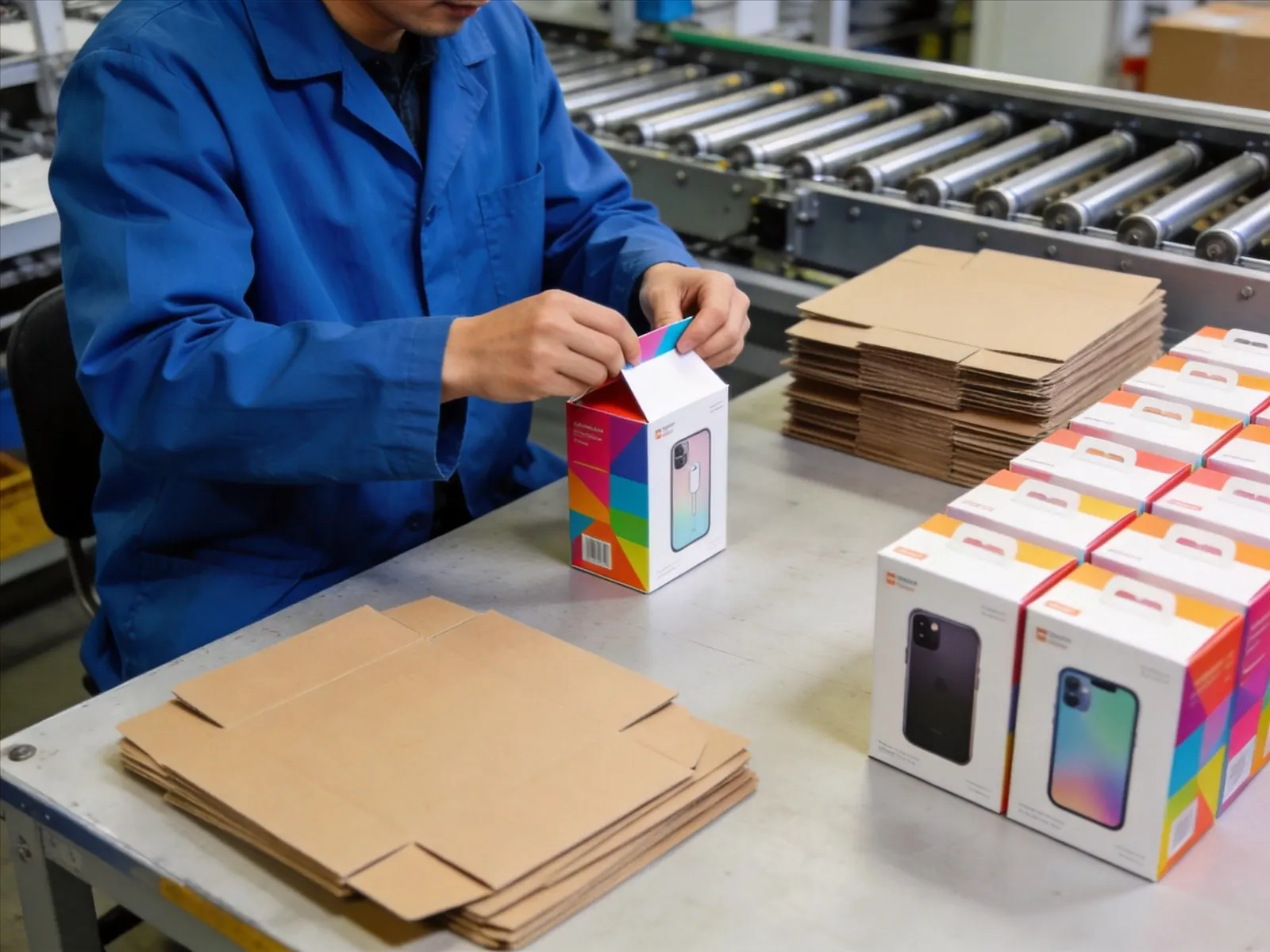
A custom retail box with your artwork, barcode and market-specific text starts at 500 pieces. Our standard colour box is 183 × 103 × 25 mm and weighs 88 g, which suits most marketplace size tiers.
Capacity on the label
The printed capacity must match the cell report for that batch. We print the rated capacity, and recommend you also state the measured capacity or the charge added in your listing. Honest numbers reduce returns and protect your reviews.
Never print: Apple trademarks, “made for” programme marks or Qi and Qi2 logos without the matching certificate. Marketplaces remove listings for this, and the brand owner carries the risk.
Step 4: compliance by market
The factory supplies the core battery documents: a UN 38.3 test summary, an IEC 62133 report and an SDS. Beyond that, each market adds its own rules. Treat the points below as a checklist to confirm with a test lab or compliance adviser, not as legal advice.
European Union
- Batteries Regulation (EU) 2023/1542: the separate-collection symbol has been required since 18 August 2025. Capacity labels for rechargeable portable batteries apply from 18 August 2026, or later if the supporting implementing act is delayed. A QR code on every battery is required from 18 February 2027.
- Producer obligations: the brand placing batteries on an EU market usually has to register as a battery producer in that country and join a take-back scheme.
- CE marking for the product as an electronic device, based on the applicable directives and test reports.
United States and other markets
- Electronic devices with wireless charging generally need FCC compliance before sale in the US.
- Many marketplaces run their own dangerous-goods review for lithium products and ask for the SDS and UN 38.3 summary.
Step 5: samples and approvals
- Order standard samples first, three to seven days after the quote.
- Approve a digital artwork proof for logo position, box and carton labels.
- Pay the deposit (30% by T/T is typical) to book production.
- Approve a pre-production sample with your branding before mass production starts.
Step 6: production and quality control
Bulk production takes 15–25 days after artwork approval. In a well-run battery case factory, every unit goes through an aging test on a charging rig, a coil alignment check and a final function test before packing. For larger orders, book a third-party inspection (SGS, Bureau Veritas or TÜV) or a live video walk-through before paying the balance.
Step 7: shipping and marketplace inbound
Battery cases and magnetic battery packs ship as dangerous goods unless they qualify for an exemption, so your forwarder needs the packing declaration (for example PI 967). Our export carton measures 535 × 382 × 225 mm and weighs 15–16.5 kg, with labels printed per model and colour so cartons can go straight into marketplace warehouses.
| Milestone | Typical timing |
|---|---|
| Quote | Day 0 |
| Samples | Day 3–7 |
| Artwork approval and deposit | Day 7–10 |
| Production and aging test | Day 10–25 |
| Inspection and shipment | Day 25–30 |
Common mistakes
- Ordering only one model. You will run out of the bestseller and sit on the rest.
- Printing a capacity the cell cannot pass. It leads to returns, bad reviews and listing removals.
- Leaving compliance until the goods arrive. Labels and registrations take time; plan them before artwork.
- Comparing quotes on different terms. Always compare on EXW or FOB, then add your own freight and duty.
For a broader sourcing checklist, see our battery case wholesale guide.
Frequently asked questions
What is the minimum order for a private label battery case?
Logo printing starts at 100 pieces and a custom retail box at 500 pieces. Unbranded wholesale orders start at 10 pieces.
Can I mix iPhone models in a private label order?
Yes. Models, colours and capacities can be mixed, and the whole order is priced on its total quantity tier.
How long does a first private label order take?
About 30 days from quote to shipment: samples in 3–7 days, artwork and deposit by day 10, production and aging test by day 25.
Who is responsible for compliance in my market?
The factory provides the battery test documents. The brand that places the product on the market is usually responsible for market-specific labelling, registrations and marks, so plan these with a compliance adviser.